
Four Distinct Destinations, One Territory: A guide to paddling in the Northwest Territories
From the jagged peaks of the Mackenzie Mountains to the open tundra of the central barrenlands — The Northwest Territories (NWT) holds a tremendous amount of navigable wilderness waterways. They carve through arctic tundra, flow down mountainous regions and move through ancient landscapes.
We will break down NWT paddling into four distinct regions; The Mackenzie Mountains, Western Arctic, Central Barrenlands and Great Slave Lake. Each with its own character, terrain, wildlife and highlights. Whether you’re seeking whitewater through mountain canyons or drifting silently down arctic rivers, there is something here for everyone.
This is a guide to these four regions to help narrow down the search for your perfect paddling destination. This is a mere handful of routes and by no means an extensive list of the paddling route possibilities within each region.
The Mackenzie Mountains
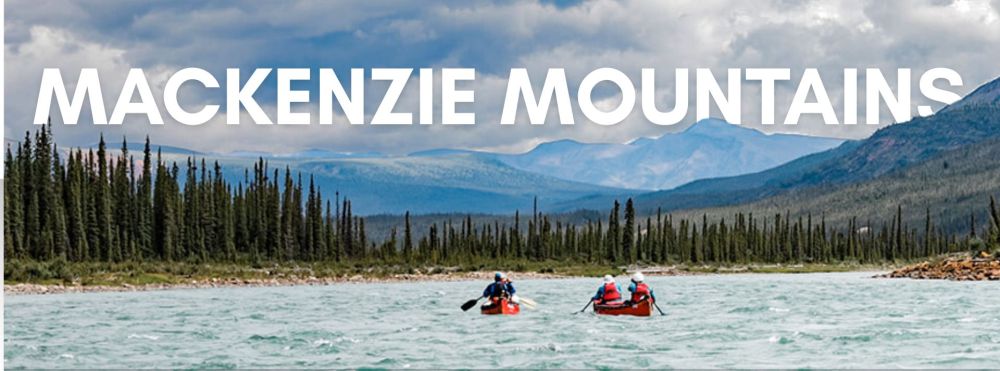
The Mackenzie Mountains, spanning ~800km along the Yukon and Northwest Territories border, is home to quick moving rivers as they flow from high altitude to the lowlands of the Yukon River Basin to the west and the Mackenzie River Basin to the east. It’s an area that offers adventures for every level of thrill seekers, from technical canyon sections to friendly quick moving water, all the while being surrounded by rugged mountains. Campsites often appear on broad gravel bars at tributary mouths, often framed by mountain views that feel larger than life in their scale. Paddlers should keep their eyes peeled for moose and high up in the hills, Dall Sheep clambering on ledges. Below the water’s surface, bull trout and arctic greyling are lingering for those interested in adding fish to the menu.
Featured Routes:
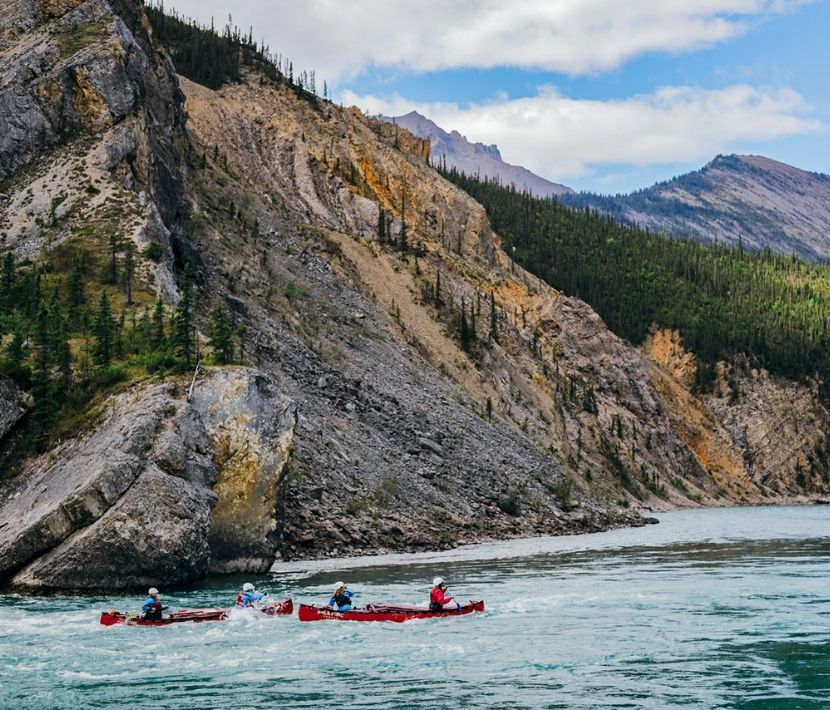 |
Keele RiverSkill Level: Novice to Intermediate Duration: 12 Days Aquamarine, quick-moving water threading through jagged peaks and braided channels. Friendly but engaging whitewater for the 12-day duration and a landscape that changes drastically as you flow down from deep within the mountains to the Mackenzie River basin. This is a hiker’s dream paddling trip with ample opportunities for hiking up tributaries for a view above river level. |
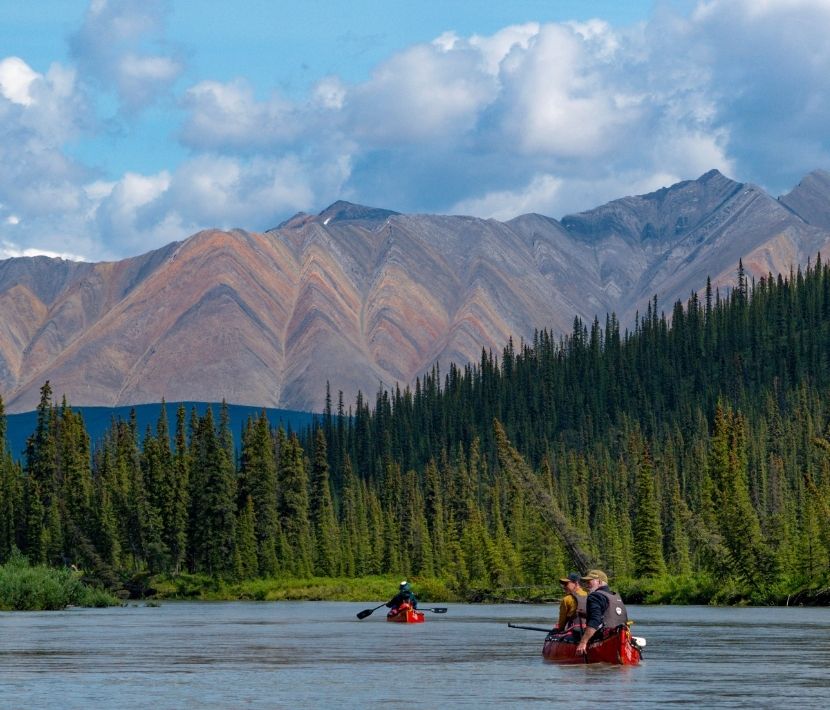 |
Natla RiverSkill Level: Intermediate to Advanced Duration: 8 Days The Natla river is a whitewater paddlers dream. This 8-day journey builds from a swift creek into a full-bodied river with rock gardens, engaging whitewater and canyon sections sure to be a thrill for experienced paddlers. The entire distance of this rivers takes place surrounded by steep mountain views with excellent chances for hiking into the nearby alpine landscapes. |
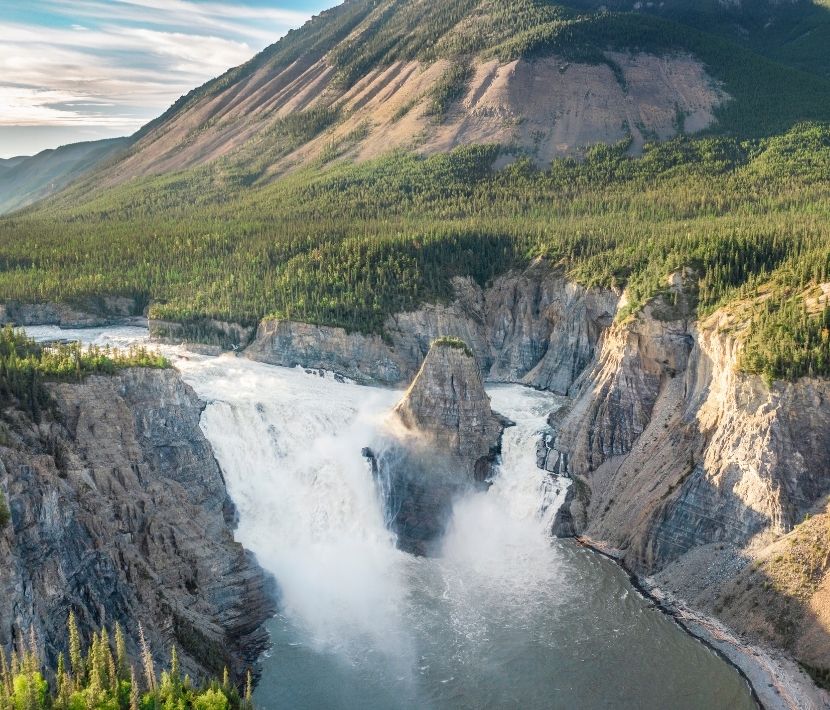 |
Nahanni RiverSkill Level: Novice to Intermediate Duration: 10 Days The most well known river of this region, and perhaps in all of the Northwest Territories, is the Nahanni River. Flowing through the Nahanni National Park Reserve, it is best known for its engaging whitewater filled canyon sections along with meandering water as you make your way down the river. A significant highlight of this river is the chance to take in Virginia Falls, standing twice the height of Niagara Falls, and feel the power of the water flowing through. |
The Western Arctic
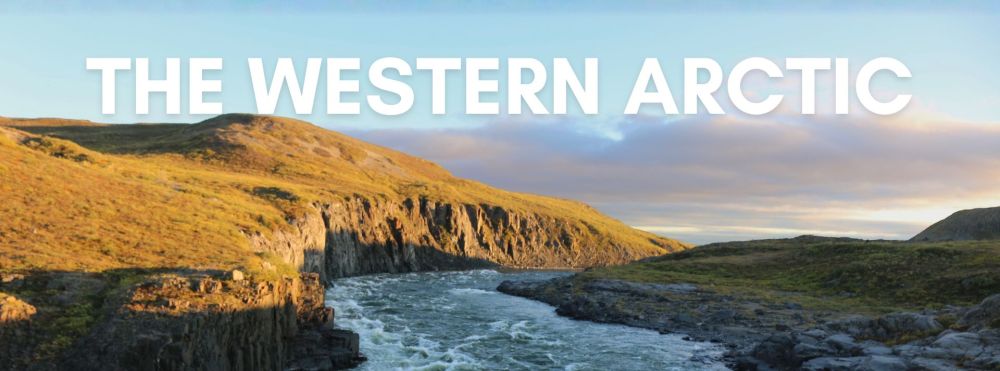
To paddle in the Western Arctic region is to go past the treeline, beyond the Arctic Circle and into the colourful tundra landscapes that the far north hold. The rivers here have carved their way into the landscape, creating canyon walls towering above paddlers. The main waterways in this region flow to the Arctic Ocean, leading to a spectacular end destination for paddlers looking to travel in this area.
Featured Routes:
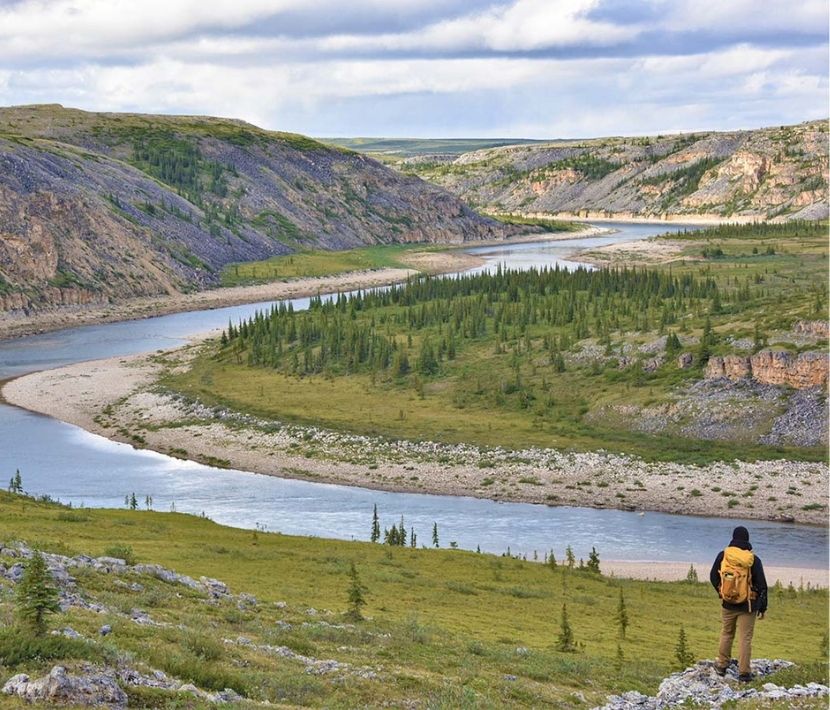 |
Upper HortonSkill Level: Novice to Intermediate Duration: 14 days An Arctic river experience with swift-flowing waters that are generally easy to navigate. The river is known for outstanding wildlife opportunities including muskoxen, wolves, grizzly bears, birds of prey and the Bluenose Caribou herd which migrate across this land, leading to a very high chance of seeing them on this trip. Below the surface, the fishing on this section of river is plentiful with Arctic greyling, Arctic char and lake trout supplementing meals throughout the trip. |
|
|
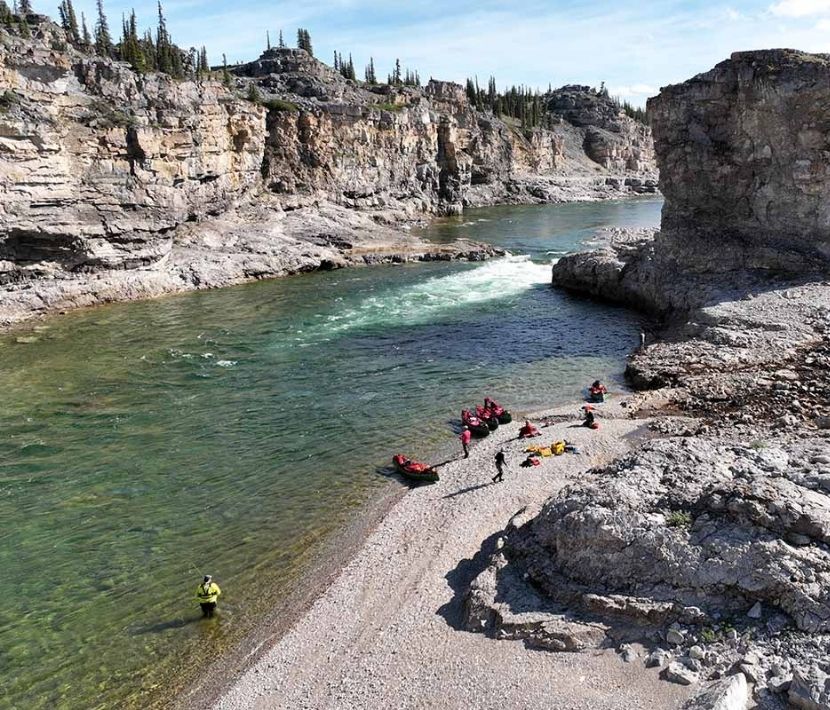
Lower HortonSkill Level: Intermediate to Advanced Duration: 14 days Flowing to the Arctic Ocean, paddlers will be traveling on the most northern flowing river section on mainland Canada. Three limestone canyon sections offer navigable whitewater as the river loses elevation toward the ocean. Wildlife sightings for large animals such as caribou, arctic wolves, grizzly bears and muskoxen are excellent along with arctic greyling, arctic char and lake trout below the water surface. A highlight of this section is the Horton Badlands and Smoking Hills area where a chemical reaction in the colorful hills has been creating billowing smoke spontaneously since the end of the last glaciation. |
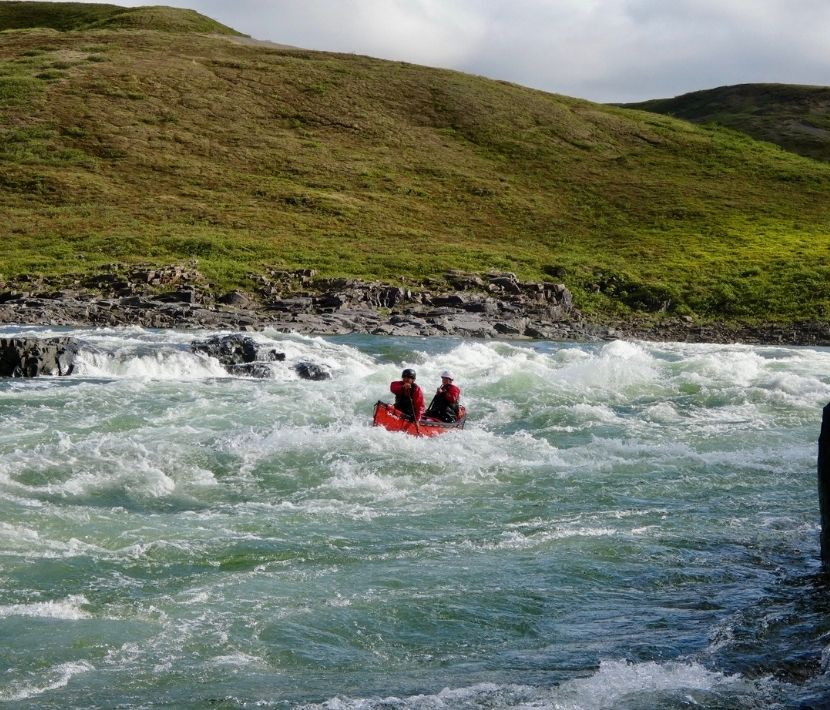 |
CoppermineSkill Level: Intermediate to Advanced Duration: 14 days A river known for towering canyon sections, high volume water and wide open tundra surrounding the river. Home to the Bluenone East caribou herd, plenty of muskoxen and moose, paddlers have a good chance of seeing large animals moving along the land. It is also a hot spot for spotting arctic raptors such as gyrfalcons, rough-legged hawks and golden eagles nesting along the cliff sections. Paddling right into the community of Kugluktuk on the Arctic Ocean makes for a wonderful finale of this legendary river. |
Central Barrenlands
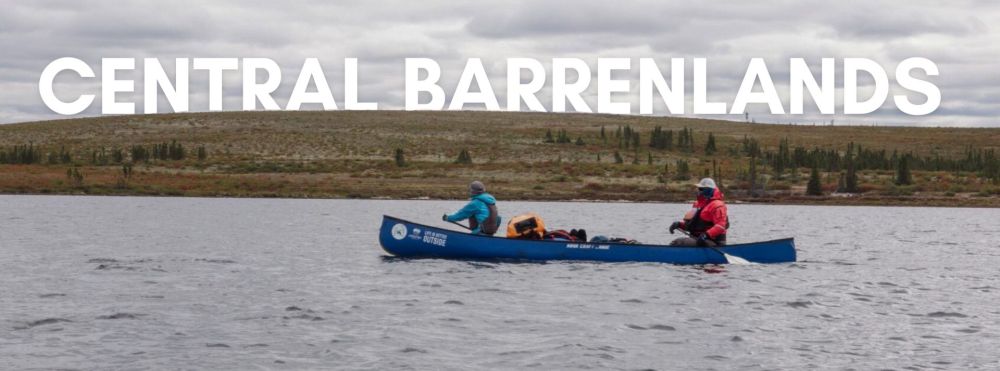
There is nothing quite like the central barrenlands, it stands out as its own otherworldly experience for those that journey through it. This region is the most remote and furthest from any permanent human community of the four regions and within it lies the Thelon Wildlife Sanctuary, one of the most remote places left in the world. The land is open with endless tundra views, treeless expanses, glacial eskers and rocky shores. This region has river options suitable for all levels of paddlers and plentiful wildlife opportunities, especially for muskoxen. Birding is also popular in this region with several species of loons, bald eagles, merlin and many species of ducks to spot. One of the most remarkable additions to a paddling expedition in this region is the limitless hiking that can be done around every camp.
Featured Routes:
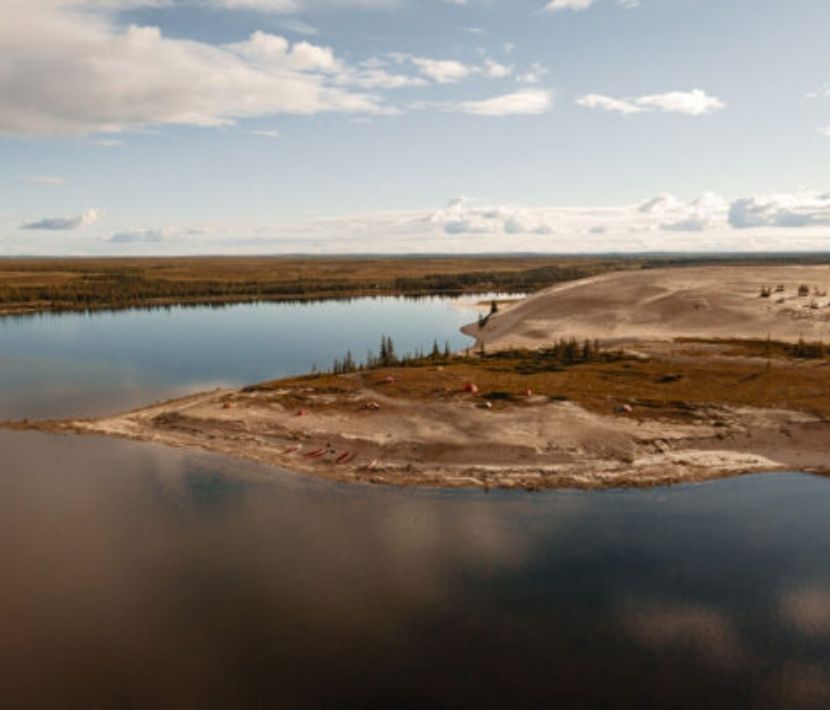 |
Thelon RiverSkill Level: Novice to Intermediate Duration: 12 days The Thelon river is the largest river in the barrenlands and is the most remote and most pristine wilderness river of large size left in North America. Paddlers will come across a total of eight navigable rapids on this route as they travel past large sandy eskers standing out on the horizon as the only elevation. On the Thelon, it is common for paddlers to come across archeological sites where ancient hunters waited for the Beverly Caribou herd to cross these rivers in their summer migration. It is illegal to move these artifacts such as spear heads, caribou fences and tent rings, but photos are welcome. |
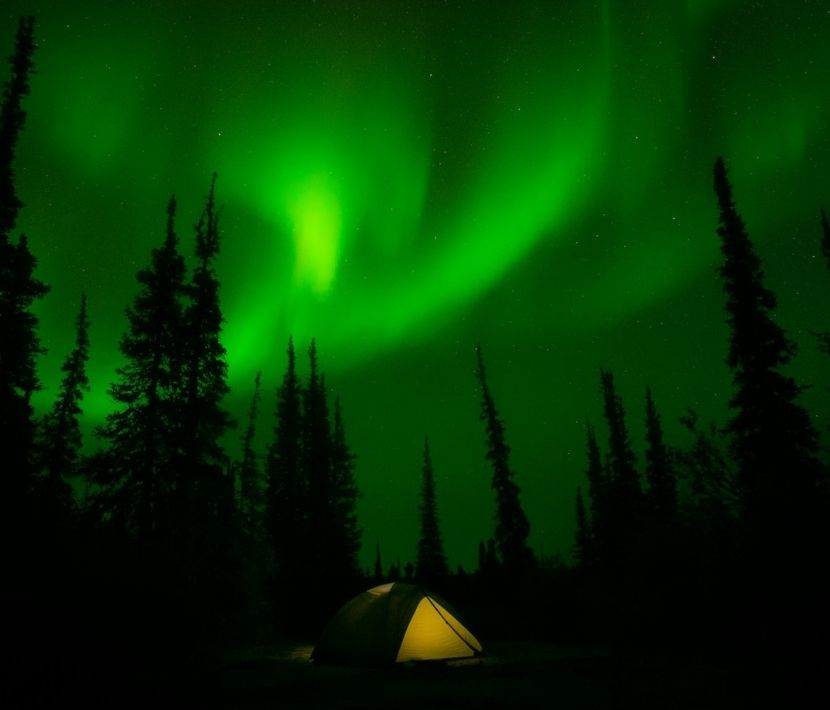 |
Thaidene NeneSkill Level: Novice to Intermediate Duration: 12 Days Declared a new National Park in 2019, Thaidene Nene (translated from “Land of our Ancestors”) stretches from the East Arm of Great Slave Lake to the Thelon Wildlife Sanctuary. This park is co-managed by Lutsek K’e Dene First Nation, located on the East Arm of Great Slave Lake and Parks Canada. This route falls in the transition zone of the boreal forest and the tundra with large spruce trees at lower elevations shifting into treeless expanses away from the waters edge. This route is within the Aurora belt, making it one of the best places to see the Northern lights if paddled in late August or September. |
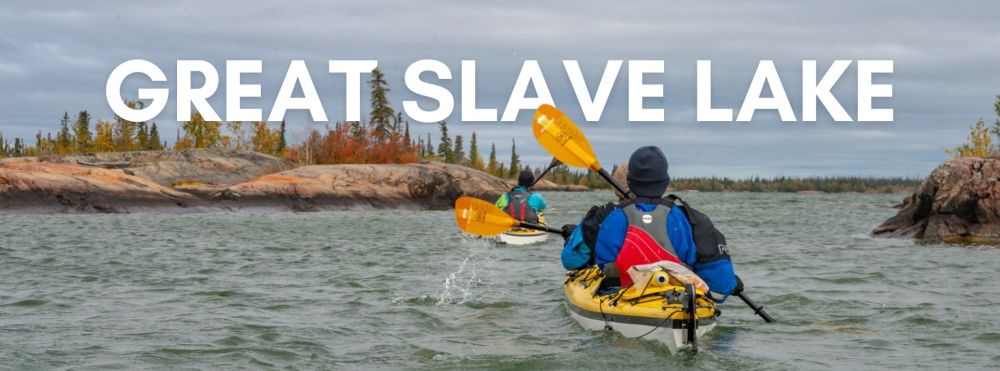
Great Slave Lake
Great Slave Lake is the 10th largest lake in the world and the deepest lake in North America. The city of Yellowknife is situated on the northern shore and the lake itself is distinctly split into a “North Arm” and an “East Arm” which hold vastly different paddling experiences and terrain. This region remains a relatively unknown paddling destination filled with endless kayaking and canoe routes. Great Slave Lake is on the Aurora belt, making it one of the best places to see the Northern lights if paddled in late August or September.
Featured Routes:
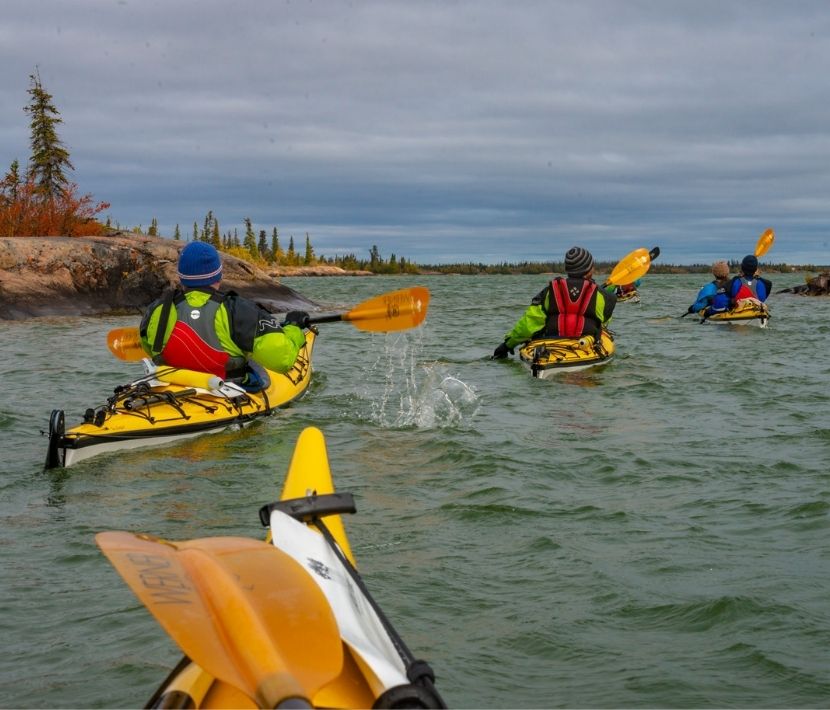 |
The North ArmSkill Level: Novice to Intermediate Duration: 8 days The North Arm is an island-filled expedition with thousands of islands scattered out from the shore, making a maze to paddle through and an exceptional location for meandering with a kayak or canoe. The elevation is relatively low, leading to open Canadian Shield camping for the majority of the journey. The North Arm is a prime location for migrating birds with many northbound migrating waterbirds finding respite in the bays and sheltered waters. The water depth in the North Arm is much more shallow than the East Arm, allowing for the ice to clear earlier in the season. For those looking for a near 24-hour light expedition near Yellowknife, the North Arm is a great option. |
|
|
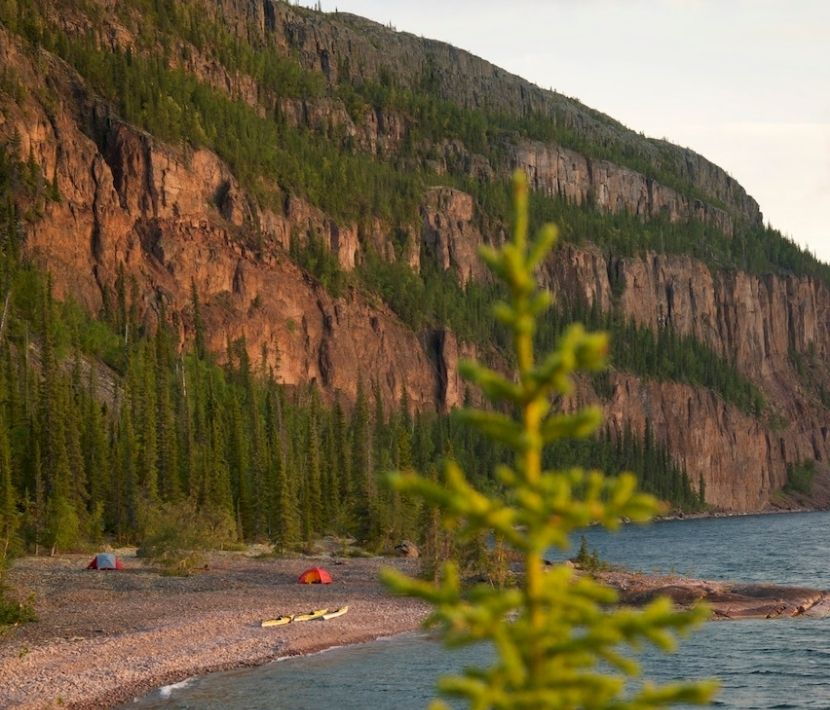
The East ArmSkill Level: Novice to Intermediate Duration: 9 days The East Arm is known for the towering cliffs that drop sharply into the clear lake, creating spectacular views from the water as paddlers drift by staring straight up. The camping in this region is on expansive gravel beaches, often backed with red cliffs and open views across the wide channels between islands. As this section of Great Slave Lake is frozen for approximately 8 months of the year, the water remains cold in the summers leading to exceptional and reliable lake trout fishing. |
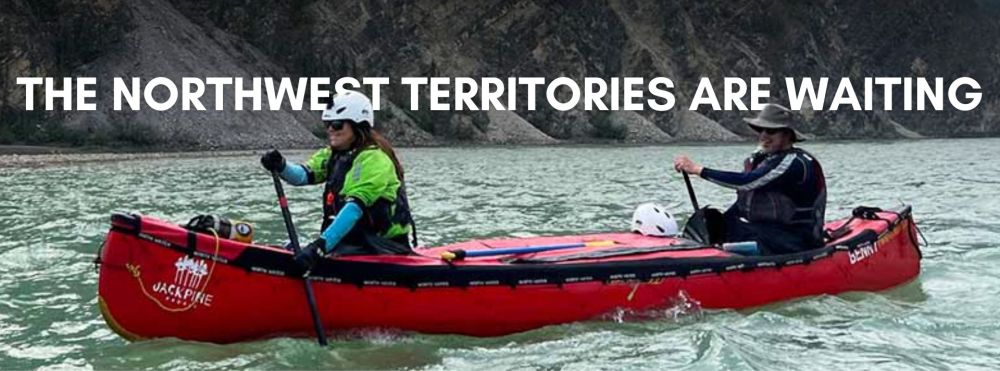
The four regions outlined here represent a fraction of what NWT holds — a starting point rather than a complete inventory. What these regions share is a true wilderness feeling and a sense of remoteness that only the North can provide. Whether you’re seeking mountain views from a canoe, paddling above the arctic circle, wildlife spotting across open tundra landscapes or touching ancient cliffs on Great Slave Lake, the Northwest Territories has a route for you.